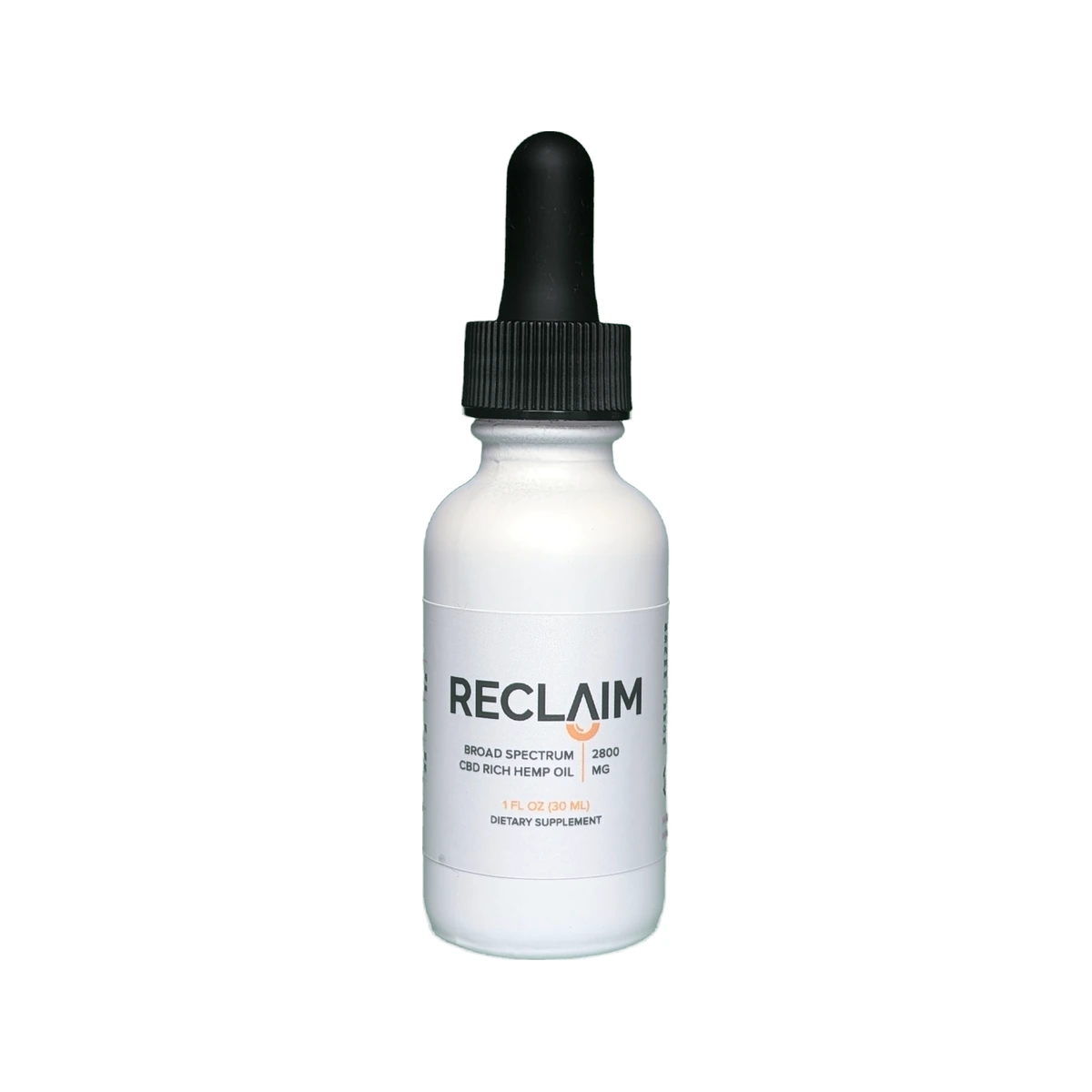
Ron's personal formula
2800mg Broad Spectrum CBD Oil
The formula Ron developed for his own RA protocol after 23 years of chronic pain. Broad spectrum means the full plant cannabinoid profile — minus THC. One full dropper delivers approximately 93mg CBD. Take it with food; a high-fat meal can increase absorption up to 5×.
Best for
- ✓ Autoimmune conditions — RA, Hashimoto's, lupus, psoriatic arthritis
- ✓ Poor sleep and a stress response that won't settle
- ✓ The low-grade inflammation that builds as you age
- ✓ Chronic joint and muscle pain — stiffness, aching, and the inflammation behind it
Buy 1, Get 1 Free — first orders only
- 1. Add 2 bottles to your cart
- 2. Enter code BOGO1ST at checkout
- 3. The second bottle is automatically discounted to $0
First-order offer for new customers. Cannot be combined with subscription pricing.
These statements have not been evaluated by the FDA. This product is not intended to diagnose, treat, cure, or prevent any disease.
Taking prescription medications?
CBD can change how your body processes some prescription drugs — potentially raising the level of the medication in your blood. It does this by slowing certain liver enzymes (CYP3A4, CYP2C9, CYP2C19, CYP2D6) that clear common drugs like warfarin, statins, SSRIs, benzodiazepines, and immunosuppressants. This isn't a reason to avoid CBD — it's a reason to talk with your prescriber first.
Full CBD drug interactions guide →What the research supports
Honest summaries with PubMed citations. Where the evidence is strong, we say so. Where it's limited, we say that too.
Plain English
High-potency CBD oil taken consistently with food may support reduced systemic inflammation, better sleep continuity, and lower anxiety — based on human trials. The effect is modulatory, not acute. Expect weeks of consistent use before meaningful signal.
Food dramatically increases bioavailability
Birnbaum et al. (2019) found that taking oral CBD with a high-fat meal raised peak plasma CBD concentration approximately 5× and total exposure (AUC) approximately 4× compared to fasting. This is one of the most actionable findings in CBD pharmacology - taking the same dose with breakfast vs. on an empty stomach produces radically different blood levels. PMID 31526026
Dose-response is not linear - the inverted-U
Linares et al. (2019) tested 150mg, 300mg, and 600mg CBD in a crossover RCT for anxiety during simulated public speaking. The 300mg dose outperformed both 150mg and 600mg on the primary anxiety measure. This inverted-U dose-response is consistent with what is seen in animal models and suggests that "more is more" does not apply to CBD. Starting low and titrating deliberately is clinically appropriate. PMID 30328956
Sleep continuity signal in a prospective study
Shannon et al. (2019) found that CBD (25mg/day) improved sleep scores in 67% of patients at 1 month in a prospective series of adults with sleep and anxiety complaints. Anxiety scores improved in 79% at 1 month. The study is a prospective case series (not an RCT) so causation cannot be established, but the signal is consistent with the mechanism. PMID 30624194
Anxiety: an RCT in healthy volunteers
Bergamaschi et al. (2011) demonstrated in a randomized, double-blind, placebo-controlled crossover study that a single 600mg dose of CBD significantly reduced anxiety in a simulated public-speaking test. The proposed mechanism involves 5-HT1A partial agonism - the same receptor target as buspirone. This study established CBD's anxiolytic signal in humans under controlled conditions. PMID 21307846
Honest limits
Human RCT data for CBD in RA, lupus, or Hashimoto's specifically is limited. The anti-inflammatory signal exists mostly in preclinical models and the endocannabinoid system rationale is sound, but we don't have the large-scale autoimmune RCTs yet. The inflammation framework is biologically plausible; it is not yet proven in controlled human trials for these specific conditions.
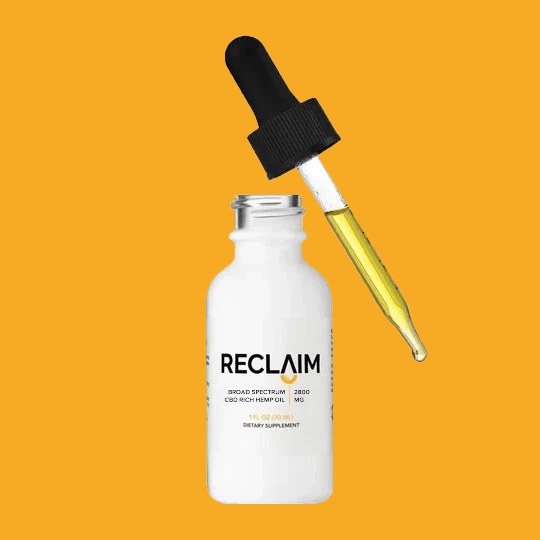
How this formula works
The delivery science behind the oil — bioavailability, broad spectrum rationale, and the food effect.
Take with food - not optional
CBD is highly lipophilic. Dietary fat triggers bile secretion and creates the lipid micelle environment CBD needs for intestinal absorption. Birnbaum 2019 quantified this: 4–5× more CBD reaches your bloodstream when you take it with a high-fat meal. Skip this and you're leaving most of your dose in the gut.
Broad spectrum, not isolate
This formula retains the full cannabinoid profile — CBG, CBC, CBN, terpenes — with THC removed. The entourage effect hypothesis (Russo 2011) proposes that these compounds work synergistically. This is not proven in RCTs, but the preclinical rationale is strong and broad spectrum carries no meaningful drug-test risk beyond isolate when THC is confirmed non-detectable.
Sublingual vs swallow
Holding the oil under your tongue for 60–90 seconds before swallowing allows partial sublingual absorption, which bypasses first-pass liver metabolism for that fraction. The majority still undergoes hepatic metabolism. For maximum effect: high-fat meal, sublingual hold, consistent daily dosing, titrate slowly over weeks.
Who this oil is for
Conditions where the systemic anti-inflammatory and endocannabinoid-modulatory mechanism of oral CBD may be relevant.
Rheumatoid Arthritis
Systemic autoimmune inflammation — where oral CBD's mechanism is most relevant.
Read →Hashimoto's Thyroiditis
Autoimmune thyroid inflammation with significant inflammatory and stress burden.
Read →Lupus (SLE)
Systemic autoimmune — pain, fatigue, and sleep disruption are primary complaints.
Read →Fibromyalgia
Central sensitization and sleep disruption — CBD's sleep and anxiety signal is most relevant.
Read →Frequently asked questions
Will this oil cause a positive drug test?
This oil is broad spectrum and THC-free — all THC has been removed in processing. Third-party COAs from Kaycha Labs confirm non-detectable THC. The risk of a positive drug test is very low but not mathematically zero for all testing methodologies. If you are subject to zero-tolerance drug testing, consider our 50mg CBD isolate patch instead, which contains no THC.
Does it matter if I take CBD oil with food?
Yes — significantly. Birnbaum et al. (2019, PMID 31526026) found that a high-fat meal raised CBD peak plasma concentration by approximately 5× and total absorption (AUC) by approximately 4× compared to fasting. Taking this oil with breakfast or your largest meal is one of the highest-leverage actions you can take to increase bioavailability without changing the dose.
How do I dose? Where do I start?
Start low and increase slowly. A common starting point for inflammation support is 15–25mg once or twice daily, increasing by 10–15mg per week. The Linares 2019 study found an inverted-U dose-response — meaning more is not always better. Use our full titration guide at /learn/cbd-titration-protocol/.
How long until I feel effects?
Sublingual onset for mood and anxiety effects can begin in 15–45 minutes. For anti-inflammatory effects, consistent daily dosing for 2–4 weeks is typically needed before meaningful signal. CBD is not an acute pain reliever — its mechanism is modulatory, not analgesic in the traditional sense.
Can I take this with my prescription medications?
This is the most important question to answer before starting. CBD inhibits CYP3A4, CYP2C9, CYP2C19, and CYP2D6 — the liver enzymes that clear a large percentage of prescription drugs. If you take warfarin, SSRIs, statins, immunosuppressants, or most other daily medications, CBD can raise plasma levels of those drugs. Consult your prescriber. See our full drug interactions guide at /learn/drug-interactions/.
What customers say
4.7 avg · 258 verified reviews"This oil has changed my life! Finally a natural alternative to meds. No inflammation, no fatigue, no pain, and no swelling. My energy levels have definitely increased since taking this oil alongside Rinvoq. I am no longer taking Methotrexate. I am able to keep up with my family during activities. Thank you Ron! Forever a staple in my treatment."
Chris M.
Verified buyer
"This has been without a doubt the best product I have come across. I am 61 and in the beginning stages of RA — left hand knuckles and joints, left hip, right shoulder. I am still using a cane but the pain has diminished greatly. I know I have a ways to go but it has been a learning journey so far."
Doran W.
Verified buyer
"I have severe arthritis in my hips and could never sleep a whole night without waking up with a sharp pain. Now I take a daily dose of 1ml an hour or so before bedtime and it makes all the change in the world!"
Narine S.
Verified buyer
"I have RA. Helps me sleep at night while reducing residual pain and inflammation that my methotrexate doesn't always fully relieve."
Valerie P.
Verified buyer
Other products & resources
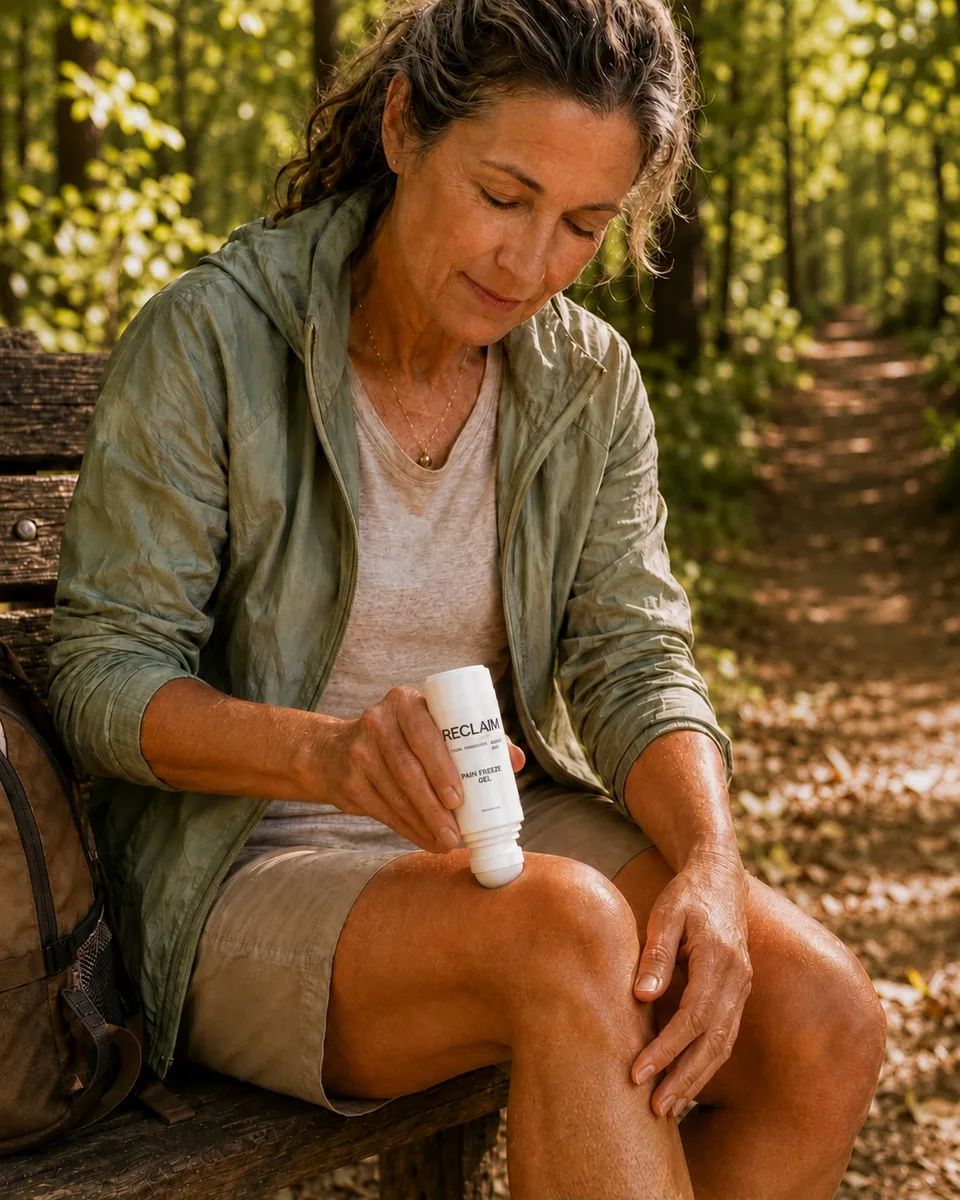
NANO 1000mg Pain Freeze Roll-On
Targeted joint relief — nano-emulsion formula penetrates 3–5× deeper than standard topicals.
View product →
50mg CBD Transdermal Patch
24-hour steady-state delivery, CBD isolate, zero THC — safest option for drug-tested individuals.
View product →Condition guides
Research-anchored guides for RA, lupus, Hashimoto's, OA, fibromyalgia, and more.
Browse conditions →