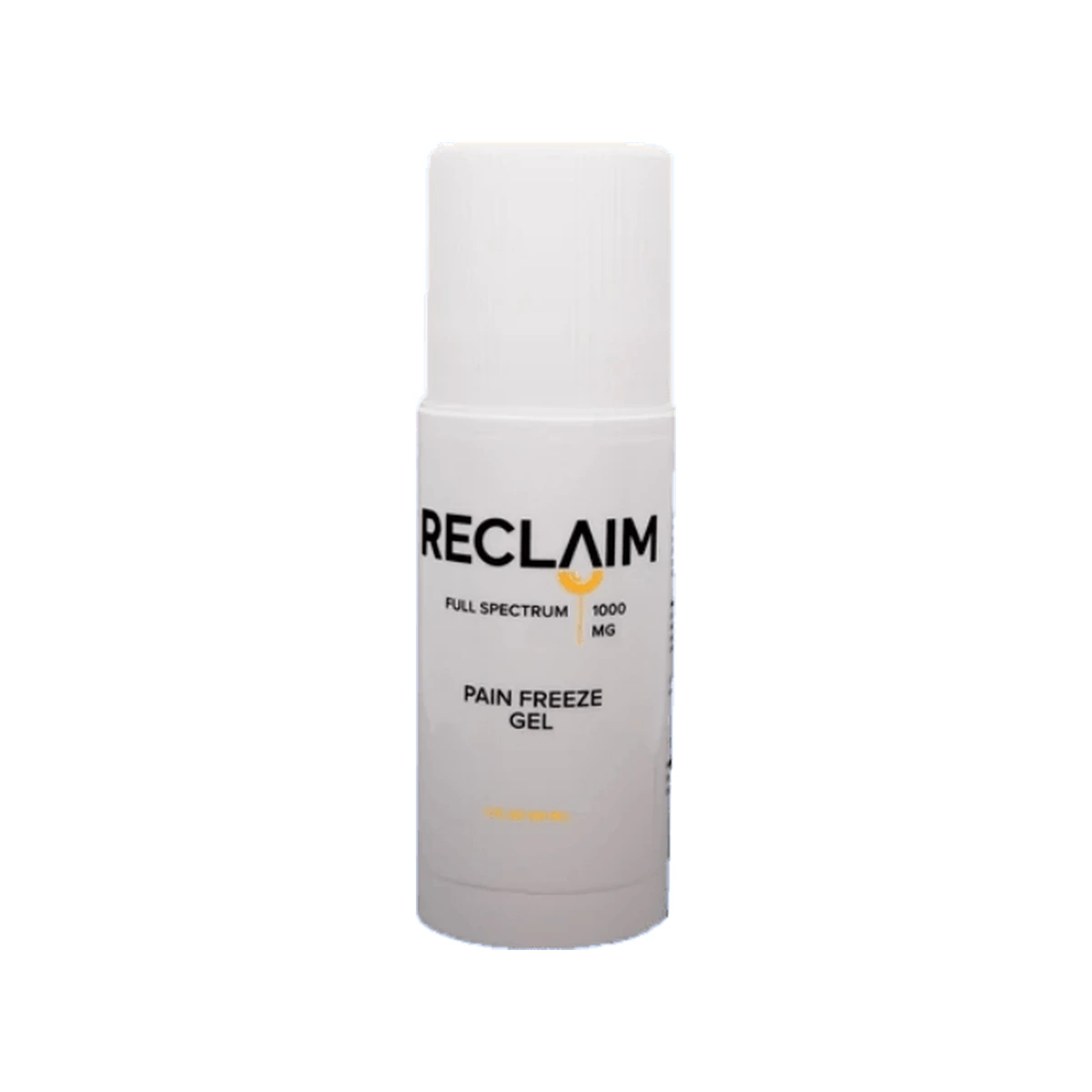
3–5× deeper delivery
NANO 1000mg Pain Freeze Gel
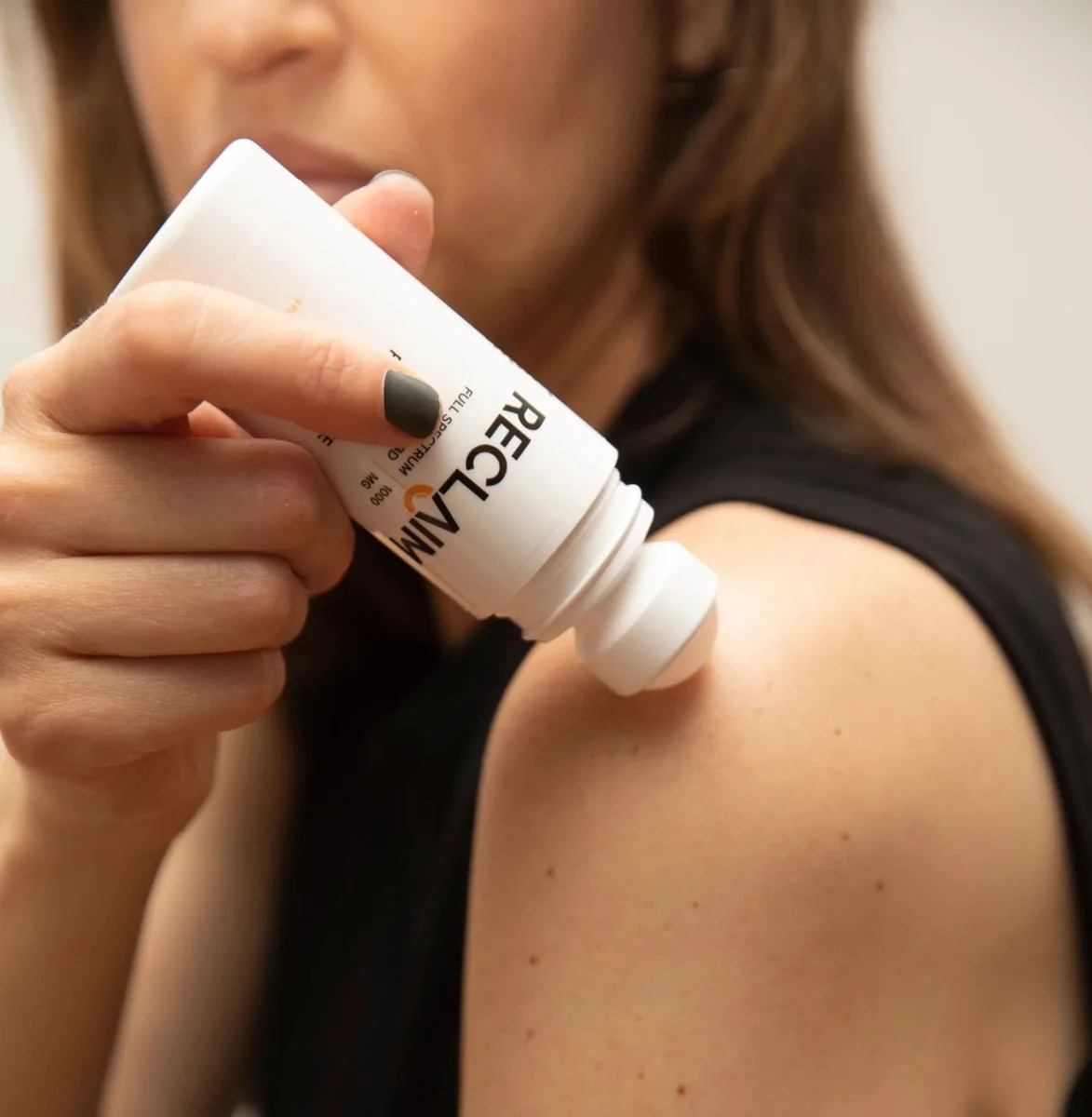
Roll it on your knee, shoulder, wrist, or low back and feel it working in minutes. The cooling gel sinks in fast — no greasy residue, no mess. The secret is a nano-emulsion formula that gets CBD 3–5× deeper into tissue than a standard topical, so it can actually reach the joint.
Best for
- ✓ Knee pain and osteoarthritis
- ✓ Shoulder and rotator cuff pain
- ✓ Low back muscle and surface tissue pain
- ✓ Wrist and hand inflammation
- ✓ Post-workout soreness (masters athletes, 40+)
These statements have not been evaluated by the FDA. This product is not intended to diagnose, treat, cure, or prevent any disease.
Heads up: this won't reach your hip or spine
The roll-on works great for surface joints — your knee, shoulder, wrist, and the muscles around your low back. But the hip joint and lumbar spine sit too deep for any topical to reach, and this one is no exception. If that's where your pain is, the 2800mg CBD oil is what you need — it works through your bloodstream and reaches everywhere.
On prescription medications? The roll-on is a safer starting point
When you apply CBD to your skin, very little of it actually enters your bloodstream — which is part of what makes the roll-on convenient. It also means it's much less likely to interact with medications you're already taking, compared to the oil. If you're on a prescription and want to be cautious, check with your doctor — but topical is generally the lower-risk route.
What the research supports
Honest summaries with PubMed citations. The nano-emulsion penetration data is real. The hip joint caveat is real too.
Plain English
Nano-emulsion CBD reaches surface joints — knee, shoulder, wrist — significantly better than standard topicals. For these joint locations, the research supports a meaningful delivery advantage. For deep joints like the hip or spine, no topical reaches far enough. Use the oil.
Nano-emulsion: 3–5× deeper tissue penetration
Reddy et al. (2023) compared nano-emulsified CBD formulations to standard topical CBD preparations and documented 3–5× greater penetration depth into tissue. Nano-emulsion reduces particle size to 20–200nm, allowing CBD to pass through the stratum corneum far more efficiently than conventional creams or oils. For surface joints - knee synovium, shoulder bursa - this is a clinically meaningful difference. PMID 36748949
CBD applied to the joint: what animal studies showed
Hammell et al. (2016) demonstrated in a rat model of arthritis that transdermal CBD gel applied to the joint area significantly reduced arthritis-related pain behaviors and joint swelling compared to vehicle control, without measurable systemic effects. While preclinical data cannot be directly extrapolated to humans, this study established the principle that topically applied CBD can reach joint tissue at pharmacologically relevant concentrations — when the joint is accessible.
The strongest human trial: knee and shoulder pain
Pramhas et al. (2023) conducted an RCT in patients with knee and shoulder pain, finding significant pain reduction with topical CBD vs. placebo. This is among the strongest human RCT evidence for topical CBD in joint pain specifically. The study population had osteoarthritis - not hip OA, where depth makes topical delivery impossible. PMID 38033459
Why menthol is in here (it's doing real work)
That cooling feeling isn't just pleasant — it's therapeutic. Menthol activates cold receptors in the skin, which compete with the pain signals your nerves are sending. It's a real, fast-acting mechanism that kicks in before the CBD even has time to build up. Menthol also helps CBD absorb through the skin more effectively, making the whole formula work better.
Honest limits
Sports-recovery RCTs for CBD are largely null — the sports medicine literature for post-exercise recovery has not shown significant CBD effects vs. placebo in most controlled studies. The roll-on's cooling and counter-irritant effects (menthol, arnica) likely contribute meaningfully to perceived relief. Be honest with yourself about which component is doing the work.
Key ingredients
Each ingredient has a specific mechanism. Here's what they do and why they're in this formula.
Full Spectrum Nano CBD (1000mg)
Nano-emulsified for maximum skin penetration. Full spectrum retains CBG, terpenes, minor cannabinoids for potential entourage synergy.
Menthol
Creates the cooling sensation that blocks pain signals fast — this is doing real work, not just making the product smell nice. Also helps CBD absorb through the skin more effectively.
Arnica Montana
A well-studied herbal anti-inflammatory used for centuries for bruises, sore muscles, and joint pain. It works on its own merits — not just filler.
Aloe Vera
Soothing carrier base with documented skin anti-inflammatory properties. Supports tolerability and daily use. Keeps the formula non-greasy and fast-absorbing.
Who this roll-on is for
Surface joints and soft tissue where topical CBD can actually reach. Not for deep joints.
Knee Osteoarthritis
Knee pain is exactly what this is designed for — a 2023 clinical trial tested topical CBD specifically in knee and shoulder OA and found meaningful pain reduction.
Read →Psoriatic Arthritis
Good for flare-ups in fingers, wrists, and knees. Many people use it alongside the oil for local joint relief when a flare hits.
Read →Ankylosing Spondylitis
Helpful for peripheral joint flares in the knees and shoulders — but not for spine pain, which is too deep for any topical. Use the oil for that.
Read →Active Adults & Masters Athletes
Post-workout soreness and achy joints after a hard session. The cooling gel works fast. Honest note: CBD's role in sports recovery is still being studied — the menthol is doing a lot of the heavy lifting here.
Read →Frequently asked questions
Can this roll-on reach my hip joint?
No — and this is critical. Topical CBD, even with nano-emulsion, penetrates approximately 4–6mm into tissue. The hip joint sits 5–10cm below skin. This roll-on cannot reach it. For hip osteoarthritis, ankylosing spondylitis, or lumbar spine pain, you need systemic delivery — use the 2800mg CBD oil instead.
What makes nano-emulsion different from a standard topical?
Standard CBD topicals have particle sizes too large to penetrate efficiently past the stratum corneum. Nano-emulsion reduces particle size to 20–200nm. Reddy et al. (2023, PMID 36748949) documented 3–5× greater tissue penetration depth with nano-emulsified CBD vs. standard topical. For surface joints like the knee or shoulder, this is a meaningful difference.
Is it safe to use this daily?
Yes — daily topical use is well-tolerated for most users. Systemic absorption from topical CBD is minimal, substantially reducing the CYP450 drug interaction risk compared to oral oil. If you experience skin irritation from the menthol, discontinue use.
Will this cause a positive drug test?
This roll-on is full spectrum with trace THC below 0.3%. Systemic absorption from topical is minimal, so drug-test risk is very low — but not zero. For zero-tolerance drug testing, use the 50mg CBD isolate patch instead.
What does the menthol actually do?
Menthol activates cold-sensing TRPM8 receptors in skin, producing a cooling sensation that partially competes with pain signal transmission (gate-control theory). This provides immediate relief independent of CBD. Menthol also enhances skin penetration, helping CBD pass through the skin barrier more effectively.
What customers say
4.7 avg · 258 verified reviews"I just tried using this roll-on on my wrist and the effect was amazing. Initially there's a cooling sensation and at some point my constant pain there just faded away. The incredible thing was that even a day later, I still had no pain in my affected wrist. I'd much rather use this kind of solution over any OTC option."
Brian C.
Verified buyer
"I play tennis and sometimes put too much strain on my right elbow. This roll-on is perfect for that — before and after each practice, I apply a thin layer and feel relief during and after. That cool sensation it gives me is very refreshing. I always have this product in my bag."
Rosy
Verified buyer
"I'm usually a little skeptical about some of these products, but this one works incredibly well! I've got those typical joint and back aches that come with age as the result of an active lifestyle. The gel isn't messy or gooey at all and goes on with a cooling sensation — but after that quickly resolves, it seems to take the pain with it."
Doreen
Verified buyer
"The roll on works great. Spreads easily with no messy hands and provided quick relief for my neck pain."
Cindy P.
Verified buyer
Other products & resources
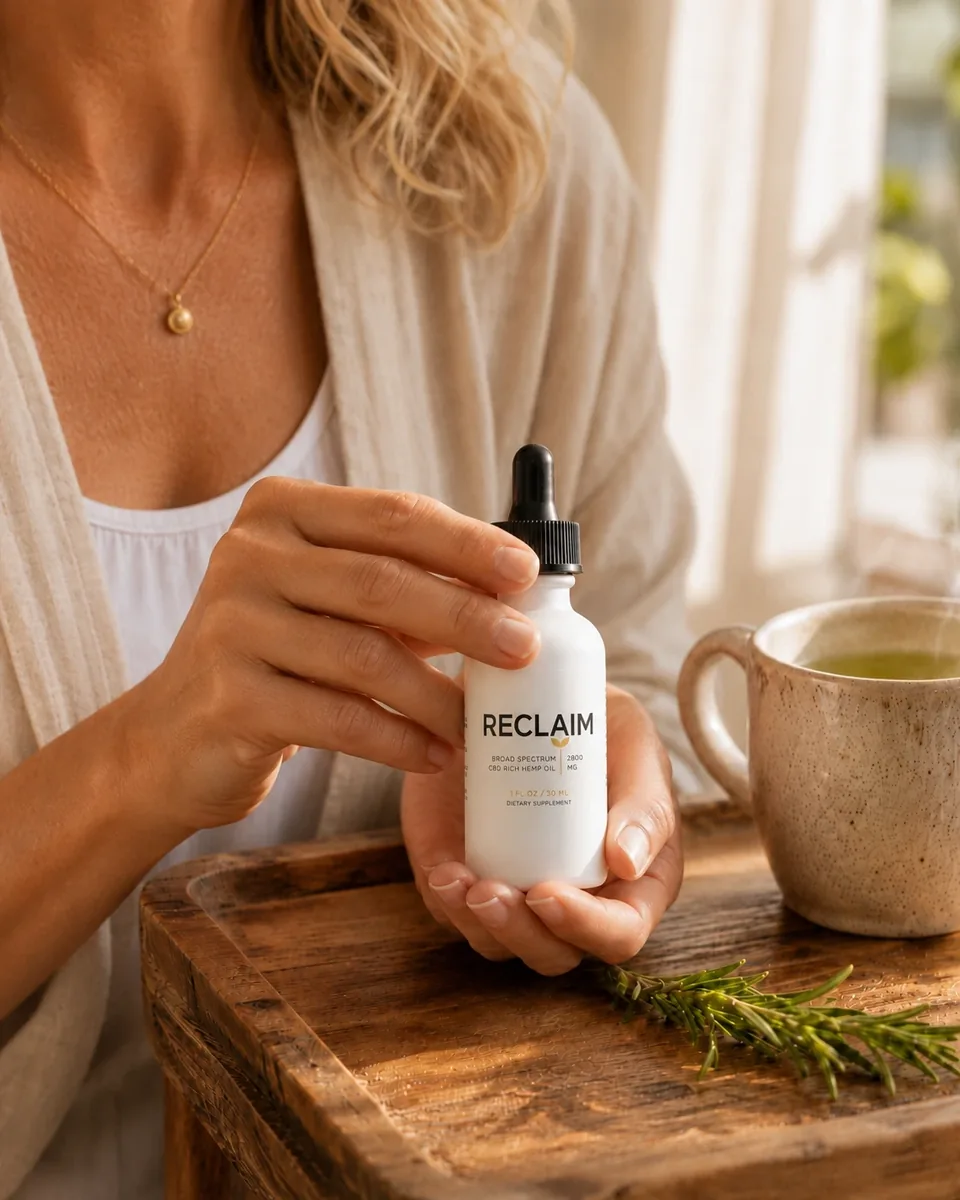
2800mg Broad Spectrum CBD Oil
Systemic delivery for deep joints (hip, spine) and autoimmune inflammation. Use this for hip OA.
View product →
50mg CBD Transdermal Patch
24-hour steady-state delivery, CBD isolate, zero THC — safest option for drug-tested individuals.
View product →Condition guides
Research-anchored guides for RA, lupus, Hashimoto's, OA, fibromyalgia, and more.
Browse conditions →