Muscle patches for pain relief: how they work and which type fits your pain
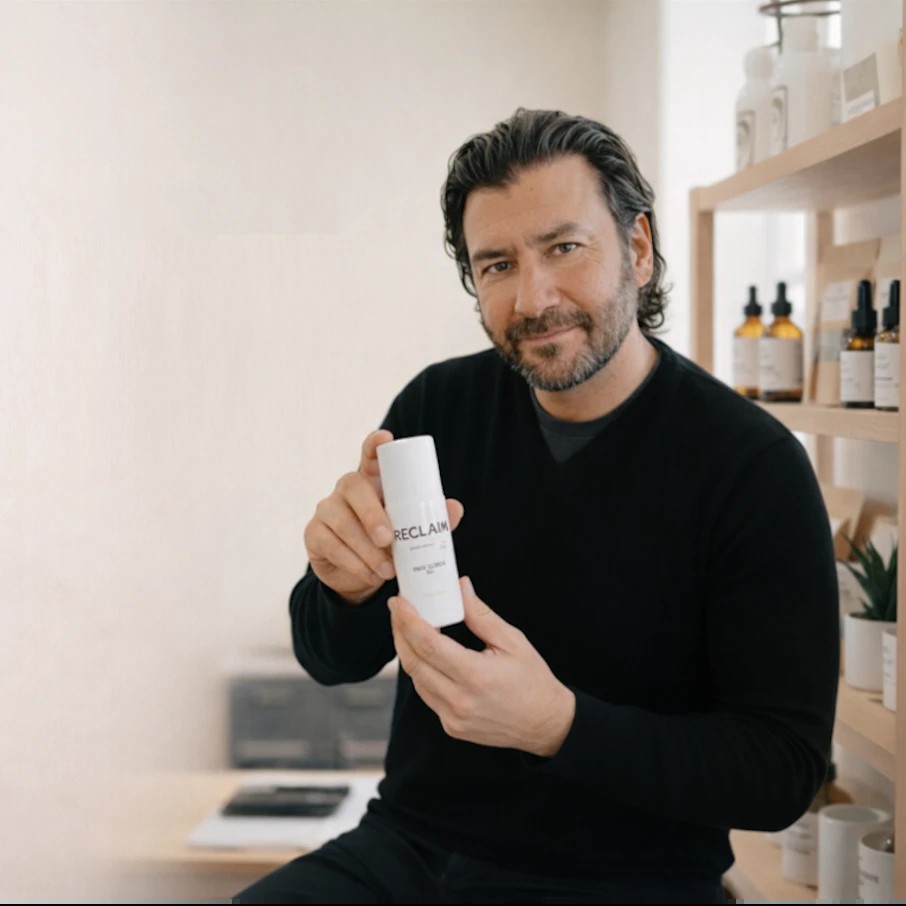
Muscle patches for pain relief work - but the different types work through completely different mechanisms, and using the wrong one for your specific pain is the main reason people give up on them before finding one that helps. I’ve used topicals and patches for RA-related muscle and joint pain for years, and the first thing I learned was to be clear about what kind of pain I was actually trying to address.
Muscle pain, joint pain, and nerve pain respond to different approaches. A menthol patch that works well for post-workout soreness will do very little for the muscle pain that comes from chronic joint inflammation. A lidocaine patch that helps nerve-component back pain won’t address the inflammatory process driving an RA flare. Getting this match right matters more than brand selection.
Topical vs transdermal: the difference between local and systemic delivery
Before comparing patch types, one distinction is worth understanding: not all patches deliver their active ingredient the same way.
Most over-the-counter patches - menthol, camphor, many entry-level CBD products - work locally. The active ingredient penetrates the upper layers of skin and affects tissue directly beneath the patch. These are essentially topicals in adhesive form. They don’t reach the bloodstream in meaningful concentrations.
True transdermal patches are formulated differently. They use permeation enhancers to drive compounds through the full skin barrier, into the capillary layer, and into systemic circulation. This is how nicotine patches, hormone patches, and properly formulated CBD transdermal patches work. The drug enters the bloodstream and distributes throughout the body.
For widespread muscle inflammation, or chronic pain with a systemic component, systemic transdermal delivery is significantly more powerful than local topical application. The right choice depends entirely on your pain’s mechanism.
Menthol and camphor cooling patches: acute soreness and exercise recovery
Menthol patches (Bengay, Icy Hot, Salonpas, and many generics) work through counter-irritation. Menthol activates TRPM8 cold receptors in the skin, producing a cooling sensation that partially overrides pain signals through the gate-control mechanism - competing sensory input reduces the perceived intensity of pain.
This is effective and fast for acute muscle soreness, delayed-onset muscle soreness (DOMS) after hard exercise, and minor strains. The relief is temporary, typically 2-4 hours, and does not reduce underlying inflammation. These patches are useful, available everywhere, safe, and appropriately matched to what they actually treat: acute surface-level muscle discomfort.
For chronic muscle inflammation or pain that originates from joint problems rather than direct muscle overuse, menthol patches are a bridge to get through a rough period - not a solution to what’s happening beneath the surface.
Heat patches: muscle relaxation and improved circulation
ThermaCare and similar air-activated heat patches increase local blood flow and relax muscle tension. Heat is well-matched to tight, spasming, or chronically tense muscles - the kind that comes from protective guarding around a painful joint, sustained poor posture, or chronic cervical or lumbar tension.
Heat patches are not anti-inflammatory. Applying heat to an acutely inflamed and swollen joint is generally counterproductive and will worsen swelling. The appropriate use case is muscle tightness and guarding, not active joint inflammation. For RA-related muscle involvement, heat works when the issue is stiffness and muscle tension - not during an active inflammatory flare.
Leaving a heat patch on during sleep is convenient, but skin sensitivity to sustained heat varies - some people find 8 hours on the same spot causes irritation, which is worth checking before committing to overnight use.
Lidocaine patches: nerve-component muscle pain
When muscle pain has a nerve component - radiating, shooting, burning, or following a path along the body rather than staying local - lidocaine patches address something the menthol and heat options can’t. Lidocaine blocks sodium channels in nerve fibers, reducing their ability to fire pain signals.
Myofascial pain with referred patterns, certain presentations of lower back pain, and post-injury sensitization respond to lidocaine patches in ways they don’t respond to counter-irritants. The patches don’t produce a burning or cold sensation, which makes them easier to tolerate consistently. OTC formulations (4% Aspercreme Lidocaine) can be applied for up to 12 hours; prescription 5% Lidoderm patches are more potent.
The limitation is that lidocaine doesn’t address inflammation. If the pain is driven by tissue inflammation rather than nerve sensitization, lidocaine will provide temporary comfort while the underlying process continues.
CBD transdermal patches: chronic muscle inflammation and sustained overnight delivery
For chronic muscle inflammation - not post-workout soreness but the persistent muscle pain that comes from inflammatory conditions, long-term joint dysfunction, or conditions affecting the whole musculoskeletal system - CBD transdermal patches address a mechanism the other options don’t reach.
CBD interacts with CB1 and CB2 receptors throughout the endocannabinoid system, modulating the inflammatory cascade centrally rather than blocking pain signals locally. CB2 receptors are expressed on immune cells including macrophages and microglia, and CBD’s effect on those receptors reduces pro-inflammatory signaling including TNF-alpha and IL-6 production. This is anti-inflammatory activity, not analgesia.
The 50mg CBD isolate patch from Reclaim Labs delivers over 24 hours, which makes it practical for overnight wear and consistent plasma levels across the full day. The isolate formulation contains no THC, which matters for anyone subject to employment drug testing.
For large muscle areas where a single adhesive patch can’t cover the whole territory - the full lower back, both shoulders, a long muscle group - I find the NANO CBD roll-on more practical. It uses nano-emulsified CBD for significantly better transdermal absorption than standard CBD lotions, and can cover a larger area more easily than an adhesive patch. I reach for the roll-on for broad areas and the patch for targeted overnight delivery.
Application details that affect how well patches work
Clean, dry skin before applying any patch improves adhesion and absorption. Avoid broken or irritated skin - the permeability is different and irritation compounds. For daily patch use, rotate application sites: putting an adhesive on the same spot every day causes local skin irritation that builds over time.
Do not combine CBD or lidocaine patches with external heat sources like heating pads. Heat increases transdermal absorption rates unpredictably, which can cause both over-delivery of the active compound and localized skin irritation. For muscle pain where you want both heat and CBD, use them at separate times rather than simultaneously.
Placement tip for muscle pain specifically: positioning the patch slightly adjacent to the most tender spot (rather than directly on it) sometimes improves comfort and adhesion, particularly over bony areas.
What I use for RA-related muscle pain
For widespread muscle involvement and large areas, the nano roll-on covers more territory more effectively than any single patch. For targeted areas where I want sustained overnight delivery - a specific joint area or a localized muscle problem - the CBD transdermal patch. For acute post-activity soreness, a menthol patch handles it quickly.
The patch that performs best is the one correctly matched to the mechanism of your specific pain. Spending a minute on that match before buying tends to produce much better results than working through the whole shelf by trial and error.
Frequently asked questions
How long do muscle patches take to work?
Menthol and cooling patches deliver counter-irritant relief within 15-30 minutes. Heat patches take 30-60 minutes to reach full warming effect. Lidocaine patches reach meaningful local tissue levels in about 1-2 hours. CBD transdermal patches take 2-4 hours to build initial plasma levels and continue working over the full 24-hour wear period.
Can you use a muscle patch and a heating pad together?
Combining a heat-generating patch with an additional external heat source is not recommended. For CBD and lidocaine patches specifically, external heat increases the rate of drug absorption unpredictably, which can cause dosing and skin irritation issues. For menthol patches, adding heat defeats the counter-irritant mechanism. Use one or the other.
CBD patch vs CBD cream for muscle pain: which is better?
A CBD cream stays local to the application site and works for surface-level muscle soreness. A CBD transdermal patch is designed to cross the skin barrier and enter the bloodstream for systemic anti-inflammatory effect. For chronic muscle inflammation or deeper pain, the patch's systemic delivery is more effective. For acute post-workout soreness, the cream or roll-on may be sufficient.
What is the best patch for lower back muscle pain?
For acute lower back muscle soreness, menthol cooling patches provide fast counter-irritant relief. For chronic lower back pain with an inflammatory component, a CBD transdermal patch worn overnight provides sustained systemic anti-inflammatory effect. If the pain radiates down the leg or has a nerve character, lidocaine patches or a medical evaluation are more appropriate.
Products referenced in this post
Founder of Reclaim Labs. Diagnosed with rheumatoid arthritis at 15, Ron spent 30 years navigating the medical system before self-formulating the broad-spectrum CBD oil that became Reclaim's flagship product. He reads the CBD-pharmacology literature closely and writes from lived experience, not marketing copy.